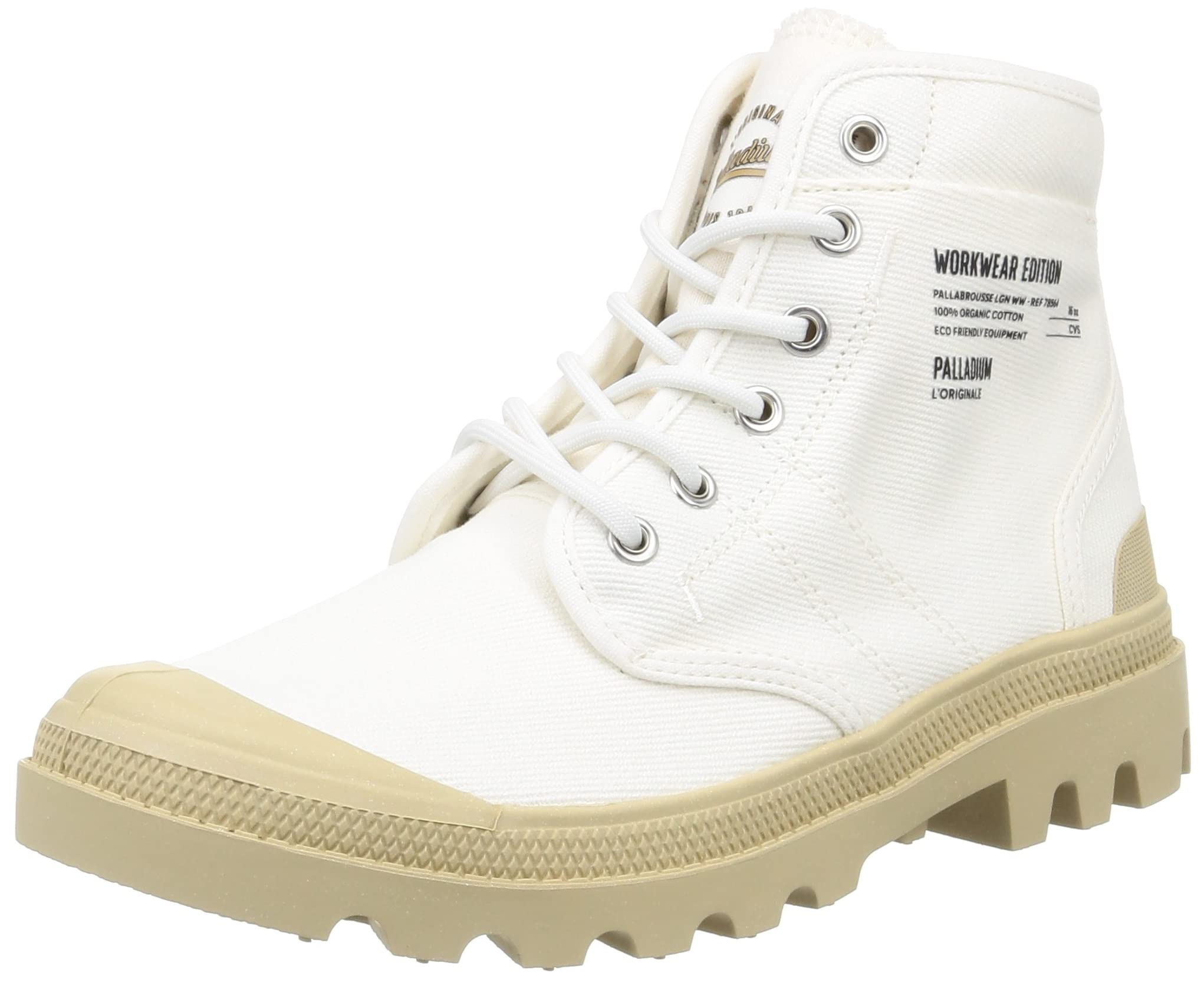
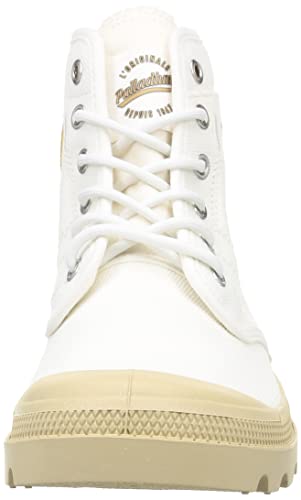
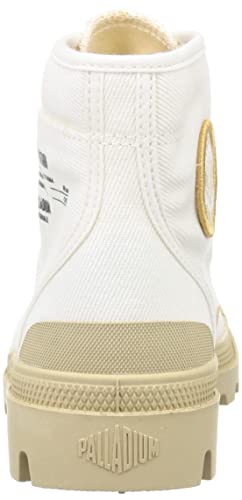
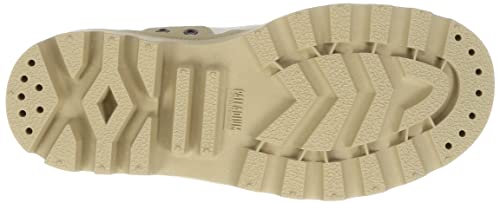
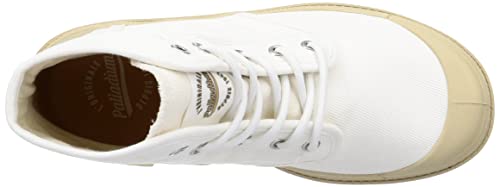
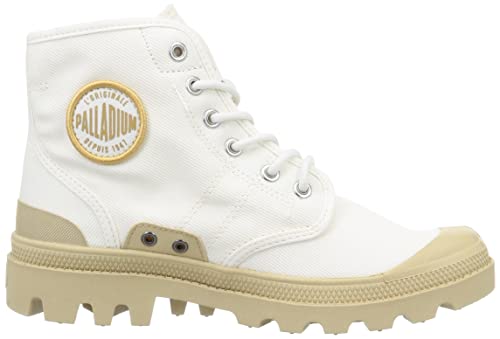

Palladium Boots Women White
Palladium Unisex-Adult Sneakers Fashionable Comfortable Outdoor Activitiesainers
Description
Overview & Features
Introduction to Synthetic Fiber
Synthetic fiber is a versatile and widely used material in the modern textile industry. These fibers are made by human processes and can be found in a variety of products ranging from clothing to industrial applications. They offer numerous advantages over natural fibers, including durability, consistency, and cost-effectiveness.
Key Features of Synthetic Fiber
- Durability: Unlike natural fibers that can deteriorate over time, synthetic fibers are highly durable and resistant to wear and tear.
- Washing and Care: Synthetic fibers are easy to clean and maintain. They do not require special care and can be machine washed, making them convenient for everyday use.
- Performance: These fibers perform exceptionally well in high-stress environments. They retain their shape and integrity under tension, making them ideal for sports clothing and outdoor gear.
- Cost-Effectiveness: Synthetic fibers are generally less expensive than natural fibers. This makes them a popular choice for bulk-producing and budget-conscious consumers.
Applications of Synthetic Fiber
Synthetic fibers find applications in various sectors due to their unique properties. Here are some of the primary applications:
- Clothing: Fabrics made from synthetic fibers are commonly used in making clothing items such as shirts, pants, and jackets. These materials offer comfort, flexibility, and fast-drying properties, making them suitable for different climates.
- Home Textiles: Synthetic fibers are also used in home textiles like curtains, bedding, and towels. These materials are easy to clean, maintain, and provide excellent thermal insulation.
- Automotive: In the automotive industry, synthetic fibers are used for interior fabrics and seat covers. They provide comfort and durability, contributing to the overall durability of the vehicle.
- Medical: Synthetic fibers have applications in the medical field, such as in sutures and medical gowns. They offer sterility and resistance to bacteria, making them suitable for medical procedures.
- Industrial: In industrial applications, synthetic fibers are used in conveyor belts, ropes, and packaging materials. They provide strength and longevity, suitable for heavy-duty use.
Advantages Over Natural Fiber
While natural fibers have their benefits, synthetic fibers offer several advantages:
- Consistency: Synthetic fibers have a consistent quality and are less prone to variations in texture and color.
- Environmental Impact: Although synthetic fibers can have an environmental impact due to non-biodegradability, advancements in recycling and sustainable practices are reducing this issue.
- Numeric Data: For example, synthetic fibers can increase length by up to 10% compared to natural fibers without compromising strength.
Conclusion
Synthetic fibers are a valuable addition to the textile and industrial world. They offer a blend of durability, cost-effectiveness, and performance that makes them a preferred choice in many applications. Whether you are a consumer looking for affordable and durable clothing or an industry professional seeking high-performance materials, synthetic fibers are a reliable choice.
Key Takeaways
- Durability: Last longer and resist wear.
- Ease of Care: Low maintenance and easy to clean.
- Performance: Excellent in high-stress environments.
- Cost-Effectiveness: Budget-friendly and widely available.
By understanding these key features and applications, you can make informed decisions when choosing synthetic fibers for your products or personal use.