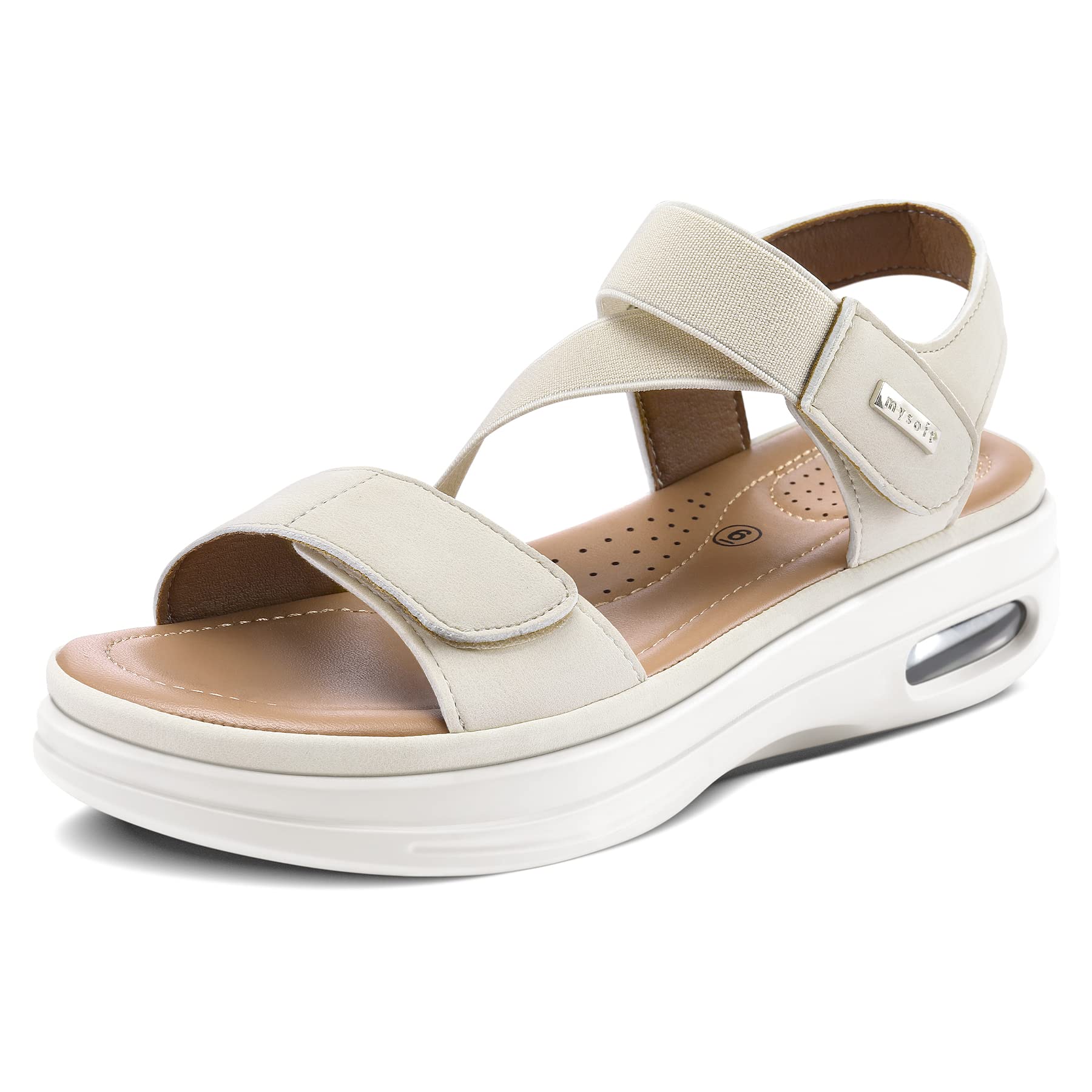
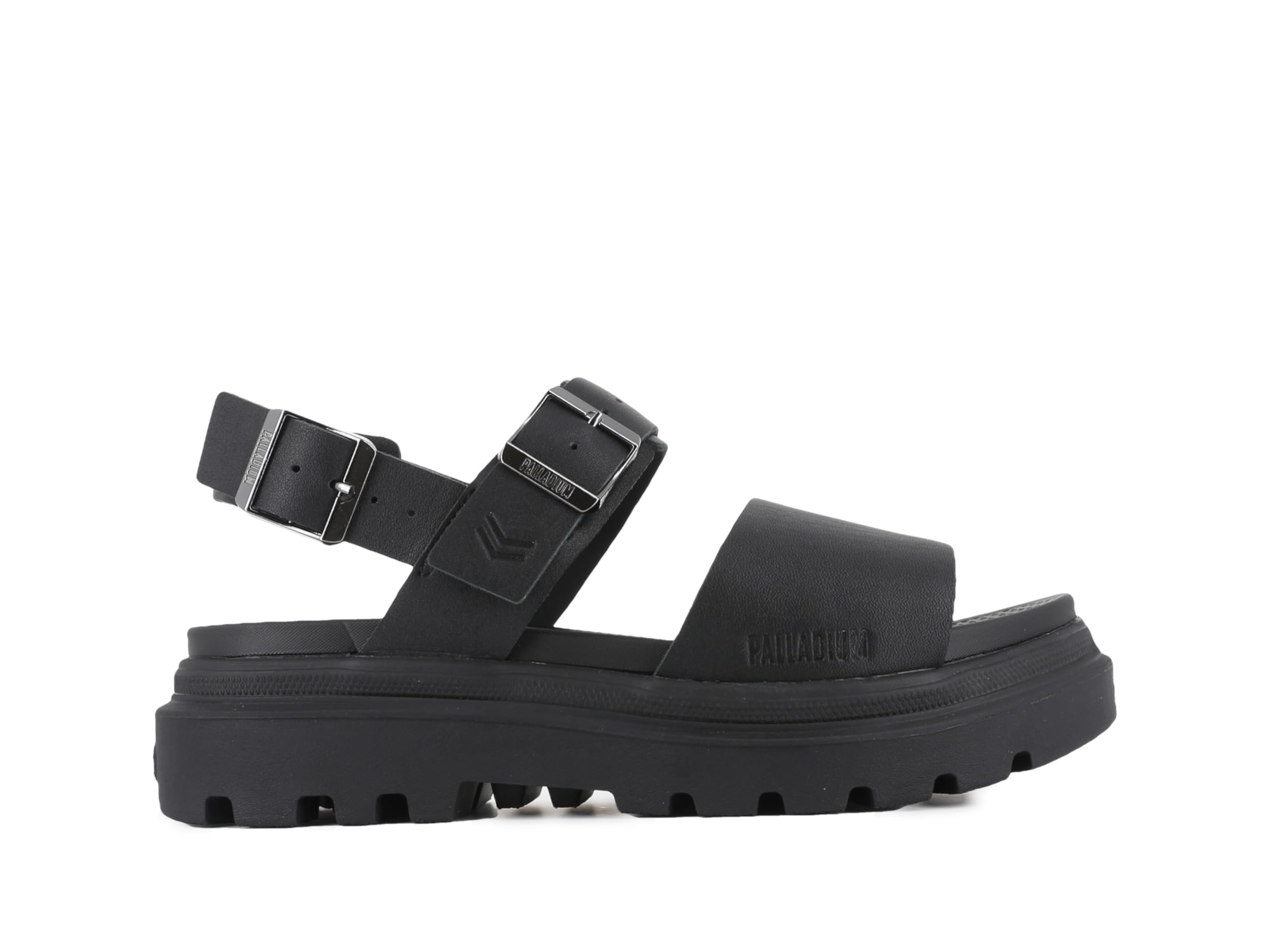
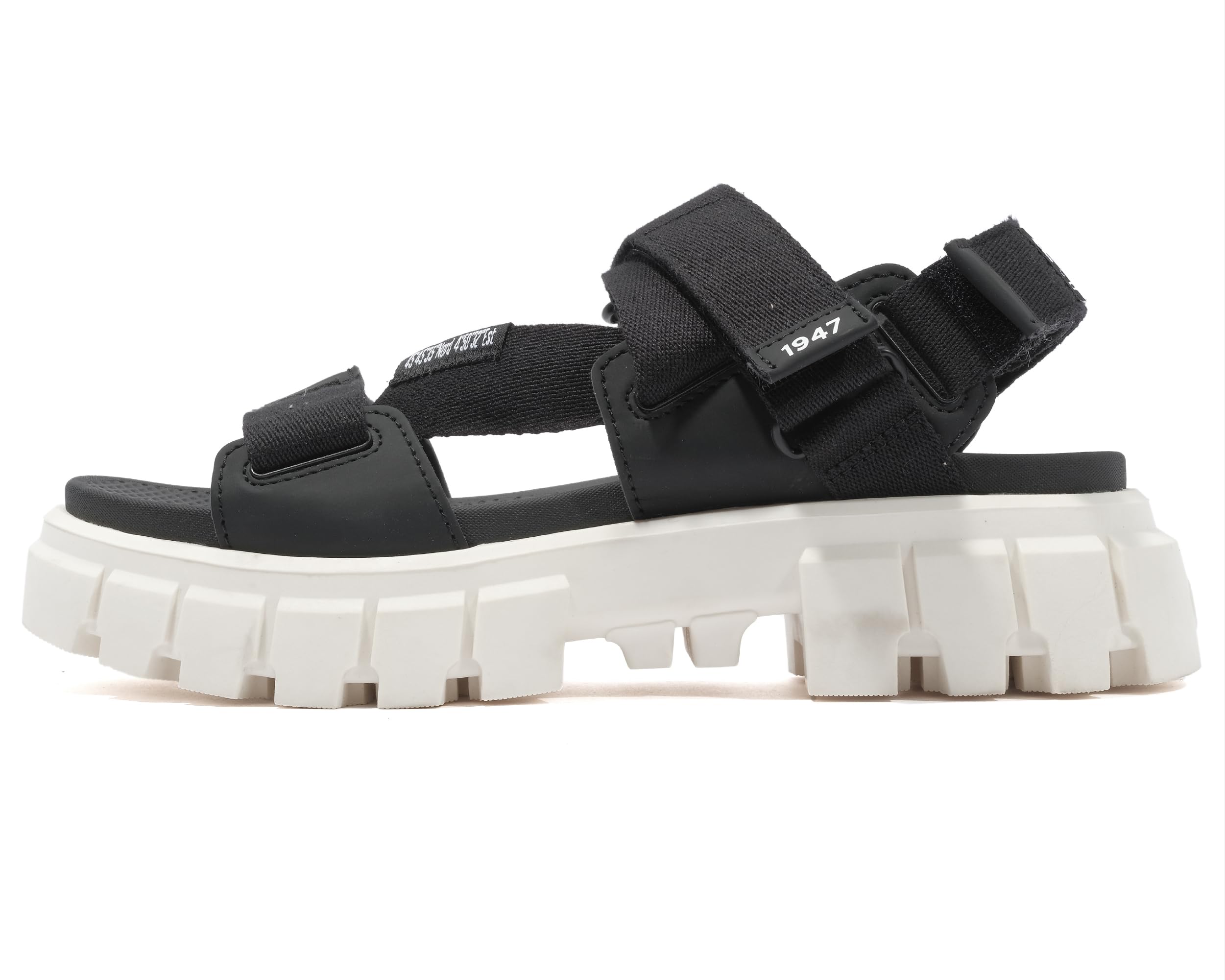
Palladium Sandals Women
Palladium REVOLT SANDAL MONO for Ladies: Ultra Comfortable Casual Sandals | Stylish & Durable | Size 7 US
$43.89
$62.70
New
Description
Core Benefits & Specs
Overview
Synthetic fiber is a versatile material that offers unparalleled durability and flexibility. This fiber is engineered to withstand harsh conditions, making it suitable for a wide range of applications and industries.
Key Features
- Durability: Synthetic fibers are designed to be highly resistant to wear and tear.
- Flexibility and Elasticity: They can be stretched and manipulated easily without losing their shape or effectiveness.
- Water Resistance: Numerous varieties of synthetic fibers resist water and moisture, ensuring longevity in wet conditions.
- Chemical Resistance: These fibers are resistant to various chemicals, making them ideal for industrial use.
Unique Selling Points
- Environmentally Friendly: Many synthetic fibers are produced using recycled materials, contributing to a sustainable manufacturing process.
- Cost-Effective: Synthetic fibers are often more affordable than their natural counterparts, offering a cost-effective solution.
- Versatility: These fibers can be manufactured into various forms and used in countless applications, from textiles to industrial materials.
Benefits for Users
- Enhanced Durability: Extend the life of your products, reducing the need for frequent replacements.
- Versatile Applications: Utilize synthetic fibers in a variety of industries, from construction to fashion.
- Sustainable Manufacturing: Embrace eco-friendly options that help reduce your environmental footprint.
Conclusion
Synthetic fibers are an essential material in today's manufacturing landscape, providing a balance of performance and sustainability. Whether you are looking to enhance the longevity of your products or reduce costs, synthetic fibers offer a reliable and versatile solution.