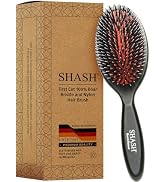
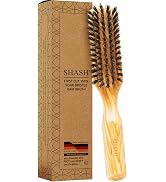
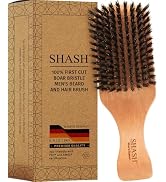
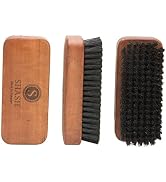
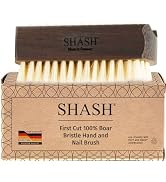
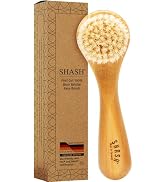
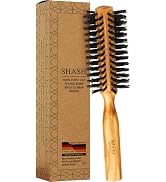
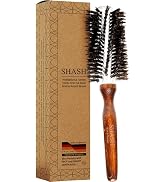
Shash Boar Bristle Hair Brush
SHASH Classic German First Cut 100% Boar Bristle Hair Brush - Conditions Hair, Improves Texture, Exfoliates Scalp
$33.49
$49.99
New
Description
All The Essential Features In One Sheet
Steps for Brushing Your Hair: Dry or Damp Hair
- Dry Hair: Brush gently to avoid frizz or breakage. The natural hair sebum rich with oil helps nourish the ends, which are often drier than the roots.
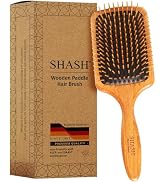
- Damp Hair: Use a wooden pin brush designed for wet hair to minimize damage. Start from the bottom and work up gradually to your roots.
Brush in Sections
- Thick or Tangled Hair: Separate your hair into sections to make brushing more manageable and effective.
- Perfect Styling: Styling in sections ensures a professional look and minimizes mistakes.
Dry Hair
- Root to Tip: Stroke your brush from the roots to the bottom of your hair. This spreads the natural oil to the ends, leaving your hair smooth and hydrated.
Brush Maintenance
- Regular Cleaning: Hairbrushes accumulate hair, oils, and product buildup. Clean them every 1-2 weeks (or more often if needed) by removing hair strands and washing them with warm, soapy water.
- Check for Damage: Ensure the bristles are not bent or broken. Replace brushes that have become worn out to maintain proper hair care.
Important Warnings
- Avoid Aggressive Brushing: Gentle brushing is crucial, especially for curly or fine hair, to prevent split ends or excessive breakage.
- Be Careful with Heat Tools: Use brushes designed for hot tools (e.g., ceramic or heat-resistant brushes) if you use heat styling tools.
- Don’t Overdo It: Brushing too much can cause damage and breakage. Just brush enough to smooth out tangles.
By following these steps and tips, you can ensure your hair remains healthy and styleable, no matter the condition.